
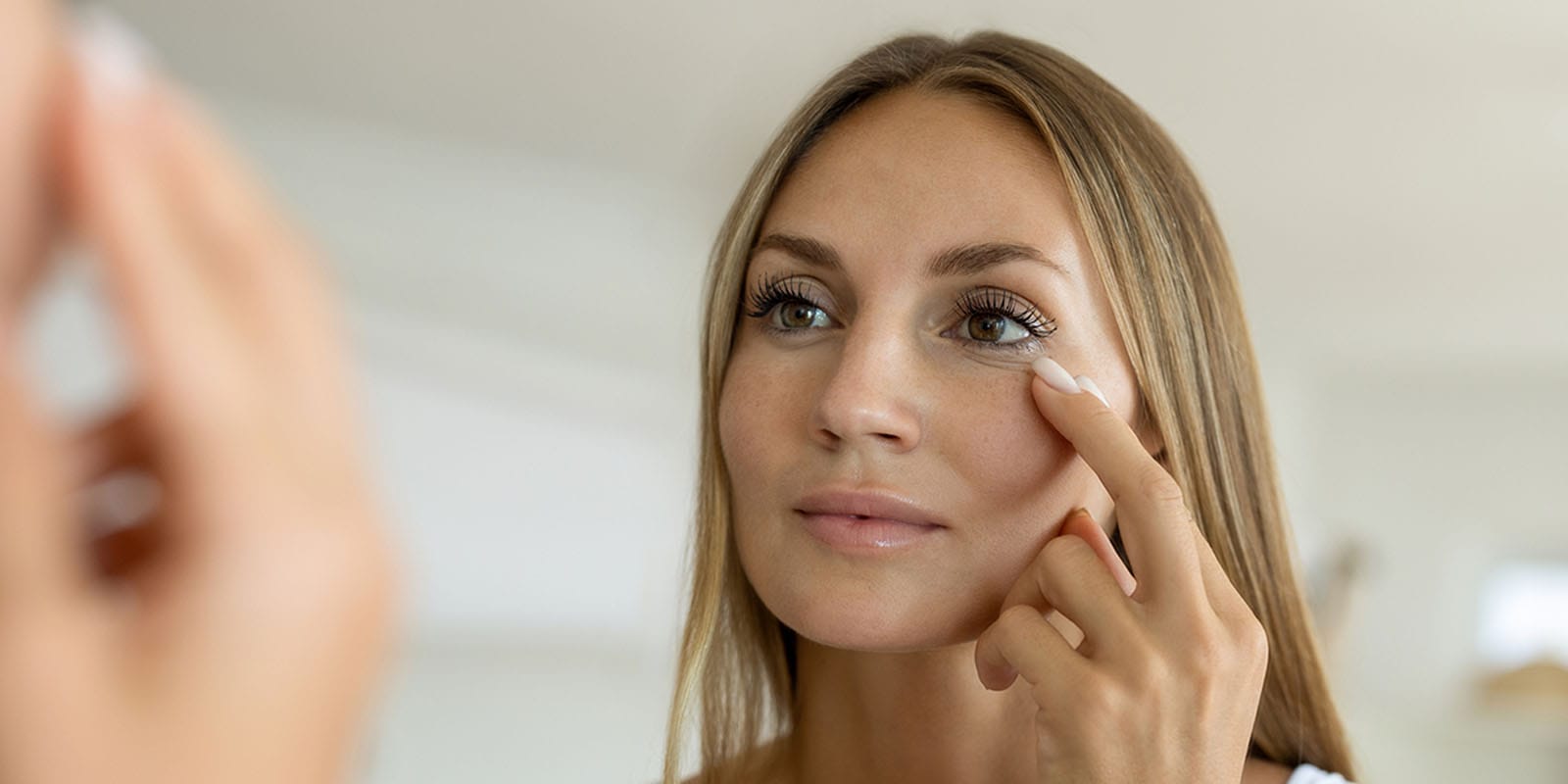
Your eyes can make you look tired even when you feel energetic and well-rested. Sometimes the problem is heavy upper eyelid skin. In other cases, persistent bags or loose skin beneath the eyes create a tired appearance. You may also have concerns affecting both areas.
Upper and lower eyelid surgery address different anatomical changes. At DeRosa Facial Plastic Surgery in Boston, Dr. Jaimie DeRosa personalizes blepharoplasty to refresh your eyes while preserving their shape and expression: beautifully subtle, unmistakably you.
In this article, we describe the differences between upper and lower eyelid surgeries, the specific concerns they address, and when they can be combined into a single treatment plan.
What is the difference between upper and lower eyelid surgery?
Blepharoplasty is surgery that removes or repositions excess skin, muscle, and fat around the eyelids. The procedure can be performed on the upper eyelids, lower eyelids, or both. Upper blepharoplasty primarily addresses heaviness and excess skin above the eyes. Lower blepharoplasty focuses on under-eye bags, puffiness, and lax skin beneath them.
Neither is automatically better: the right choice depends on the location and cause of your concerns.
When might you need upper eyelid surgery?
Upper blepharoplasty may be appropriate if excess upper eyelid skin makes your eyes appear hooded, heavy, or less alert. You might also notice that eye makeup is difficult to apply because the crease is hidden. Common reasons to consider an upper eyelid lift include:
- Skin folding over the eyelid crease
- Upper lids that appear heavy or uneven
- An expression that looks tired or sad
- Difficulty applying eyeliner or shadow
- Skin hanging close to the eyelashes
- Peripheral vision affected by significant drooping
Dr. DeRosa places the incision within the natural upper eyelid crease. She conservatively removes/repositions the appropriate tissue, taking care to avoid an overly hollowed appearance. A lowered brow can sometimes contribute to upper eyelid heaviness. If that is the main cause, Dr. DeRosa may recommend a brow lift alone or together with upper blepharoplasty.
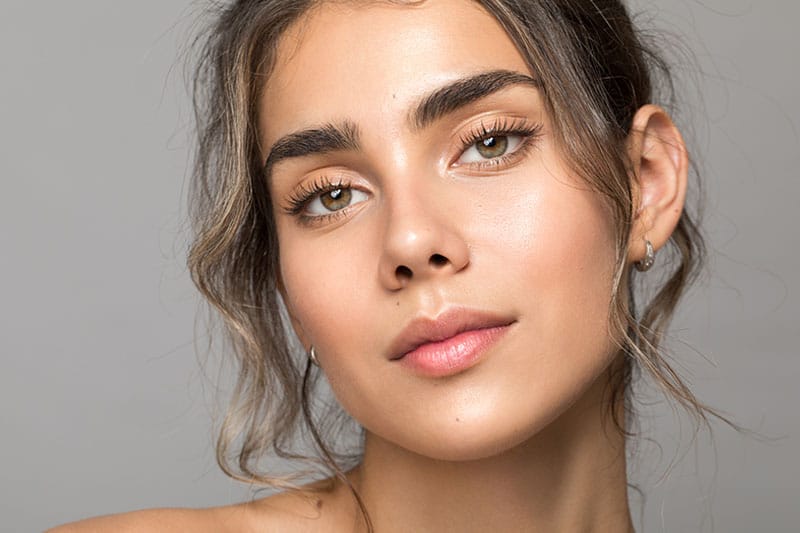
When might you need lower eyelid surgery?
Lower blepharoplasty is meant for concerns beneath the eyes. It may be suitable when under-eye bags persist regardless of how much you sleep, or when loose skin causes wrinkles and uneven contours. You may benefit from lower eyelid surgery if you have:
- Persistent under-eye bags
- Bulging or displaced fat pads
- Loose or crepey lower eyelid skin
- A noticeable transition between the eyelid and cheek
- Puffiness that creates a chronically tired appearance
Depending on your anatomy, Dr. DeRosa may remove or reposition fat rather than simply remove it. This can soften under-eye bags while preserving smooth, natural contours. Lower eyelid surgery does not necessarily correct every type of dark circle. Pigmentation, thin skin, or volume loss may require skin care, laser treatment, or another complementary approach.
Can you have upper and lower eyelid surgery together?
If you have heaviness above the eyes and bags below them, combining both procedures may create the most balanced result. Treating only one area could leave the other area more noticeable. Combined blepharoplasty also offers the convenience of a single operation and recovery period. However, you do not need both procedures simply because they can be performed together. Dr. DeRosa will recommend only the treatment supported by your anatomy and goals.
How does recovery compare?
Upper and lower blepharoplasty both cause temporary swelling and bruising. Cold compresses, head elevation, prescribed eye care, and reduced activity can support your recovery.
Upper eyelid recovery is often relatively straightforward, while lower eyelid swelling may take slightly longer to resolve. Many people feel comfortable returning to public-facing activities within approximately two weeks, although healing varies. The incisions continue fading over time, and the final contours become clearer as swelling subsides.
Find the eyelid lift that fits you
Choosing between upper and lower eyelid surgery begins with identifying why your eyes look different, not simply where you notice the change. At DeRosa Center, double board-certified facial plastic surgeon Dr. Jaimie DeRosa takes the time to understand what you see and how you want to look. Schedule a consultation with Dr. DeRosa in Boston’s Back Bay to explore an eyelid surgery plan that helps you look refreshed, natural, and like yourself, only better.